
Does SIJS give me a green card automatically?
Special Immigrant Juvenile Status (SIJS)
Special Immigrant Juvenile Status Lawyer in Minneapolis, MN
If you care for an undocumented child, teenager, or young person who has suffered abuse, abandonment, or neglect by one or both parents and already lives in the United States, Special Immigrant Juvenile Status (SIJS) may be the path to protect them and, when the law allows, seek a green card.
As immigration lawyers, we represent minors up to 21 years old, unmarried and present in the United States, who cannot return to their parents or their country of origin because that return would not be safe and is not in their best interest. Our goal is to turn a story of violence, abandonment, or neglect into a clear legal case before the court and immigration, to stop deportation, open the path toward permanent residence, and give the minor stability in their family and educational life.
Many young people arrive scared, without mastering the language and without understanding the immigration system. Our work is to support them with respect, explain each step, and build a strategy that uses SIJS as a tool for protection and a future in the United States.
Talk to a Lawyer About SIJS
Schedule a consultation to review the case, evaluate SIJS, and define concrete steps to care for the minor and their future in the United States.
How We Work Your Case: State Court and I-360 with USCIS
The law requires two main steps for SIJS: first, obtain an order from a state juvenile, family, or guardianship court, and then file an immigration petition with USCIS through Form I-360. We coordinate both phases within the same service, so you don’t have to handle the state court and immigration process separately.
In the state court stage, we help you in the process of getting an order that declares the minor depends on the court or is under the custody/guardianship of another person, that they cannot reunite with one or both parents due to abuse, abandonment, or neglect, and that it is not in their best interest to return to their country of origin. With that order, we file the I-360 with USCIS and request Special Immigrant Juvenile classification (SIJ/SIJS); when approved and a visa is available in the EB-4 category, the young person can apply for permanent residence (green card) based on SIJS.
Contact
Practice Areas
Deportation Defense
U & T Visas (Humanitarian Visas)
Citizenship and Naturalization
Green Cards
Family Immigration and Petitions
Fiancé Visas (K-1)
Immigration Waivers
VAWA Self-Petitions
Special Immigrant Juvenile Status (SIJS)
When to Talk to an Immigration Lawyer About SIJS
When to Talk to an Immigration Lawyer About SIJS
In general, it’s a good time to talk to an immigration lawyer about SIJS when:
- You care for an undocumented minor in Minneapolis, another part of Minnesota, or any state in the United States
- The minor has suffered abuse, abandonment, or neglect by one or both parents and it’s not safe to return to them or their country of origin
- You want to know if there’s an option other than “go back home” or “keep hiding,” and need guidance on state court and USCIS
At Zhanay Law, our approach is to protect the minor, minimize procedural risks, and present an organized file that explains their story in a clear and respectful way before the court and USCIS.
If you believe a minor in your care may qualify for Special Immigrant Juvenile Status (SIJS), the next step is to talk about the case with a lawyer who knows this process and practice in the courts.
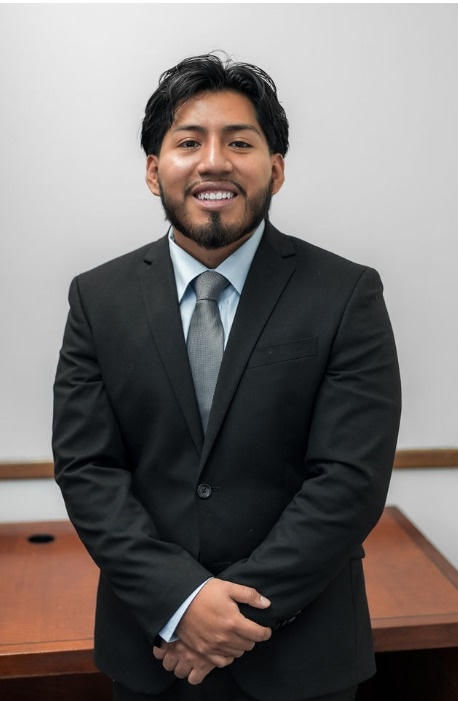
Edwin Zhanay
Immigration Attorney
Edwin Zhany
Frequently Asked Questions
Not automatically. SIJS is a classification that, once approved and when a visa is available in the EB-4 category, allows the young person to apply for permanent residence (green card). In some cases there are delays due to case backlogs and the full process can take several years.
Yes. SIJS is designed precisely for young people who are already in the United States, even if they entered without authorization or stayed without status. The important thing is to meet the age, marital status, presence in the country requirements, and the state court determinations about abuse, abandonment, or neglect.
No. A person who obtains permanent residence through SIJS cannot sponsor either of their parents for immigration, even if only one of them was abusive and the other was not. Later, if they naturalize as a citizen, they can petition for other family members like a spouse or children, but never their parents.