
Do I need my abuser to sign or know about the petition?
VAWA Self-Petitions
Immigration Lawyer for VAWA Self-Petitions in Minneapolis, MN
If you suffer domestic violence, emotional abuse, extreme cruelty, or economic control and your immigration status depends on your abuser, the Violence Against Women Act (VAWA) may allow you to request immigration help without that person controlling the process. This page is not just general information: it’s a legal service for spouses, children, and parents of U.S. citizens or permanent residents who need to file a VAWA self-petition safely and confidentially.
Under VAWA, you can apply for your own immigration status through Form I-360, without the abuser’s knowledge or consent. This protection can apply to men and women equally and, in general terms, is available for abused spouses, certain recent ex-spouses, battered children, and parents abused by a citizen son or daughter over 21 years old.
As immigration lawyers, we represent people who want to break the abuser’s immigration control and move toward work authorization and, when the law allows, permanent residence without depending on that person.
Talk to a Lawyer About My VAWA Case
In a confidential consultation, we can review your history of abuse, explain if VAWA applies in your case, and what steps to follow to file a safe self-petition.
How We Work Your VAWA Case
At Zhanay Law, we focus on preparing a solid, confidential, and well-documented VAWA self-petition. In practice, this begins with Form I-360, where you present your own case as a self-petitioner, without needing the abuser to sign, participate, or authorize the application.
We also organize the necessary evidence to show the key elements of the case, for example:
- The qualifying relationship with the abuser, such as marriage or parent-child bond
- That the marriage was entered in good faith, in cases where it applies
- The existence of physical, emotional, psychological abuse, or extreme cruelty
- Your good moral character and, in many cases, that you lived with the abuser at some point
When the law and your situation allow, we also evaluate filing adjustment of status through Form I-485 to seek a green card from inside the United States, without leaving the country. Additionally, we analyze if you can apply for work authorization, remembering that filing the self-petition alone does not always authorize you to work immediately and that access to the EAD depends on the stage and type of case. The entire process is handled under confidentiality protections designed to reduce the risk that information reaches the abuser.
Contact
Practice Areas
Deportation Defense
U & T Visas (Humanitarian Visas)
Citizenship and Naturalization
Green Cards
Family Immigration and Petitions
Fiancé Visas (K-1)
Immigration Waivers
VAWA Self-Petitions
Special Immigrant Juvenile Status (SIJS)
When to Consider a VAWA Self-Petition with an Immigration Lawyer
It’s important to talk to an immigration lawyer about VAWA if your partner, ex-partner, father, mother, or citizen or resident son or daughter uses your immigration status to control you, threatens to deport you, or maintains a situation of physical, psychological, or economic abuse.
In many cases, you don’t need that person to “petition for your papers” to start an immigration process: you can file your own case under VAWA through a confidential self-petition.
We can help you in three clear steps:
- Analyze your history and determine if VAWA applies in your case
- Explain what evidence is useful to support the self-petition and how to obtain it safely
- Take on representation so you can move toward work authorization and, when the law allows, permanent residence that doesn’t depend on the abuser, with a clear, humane, and well-prepared file
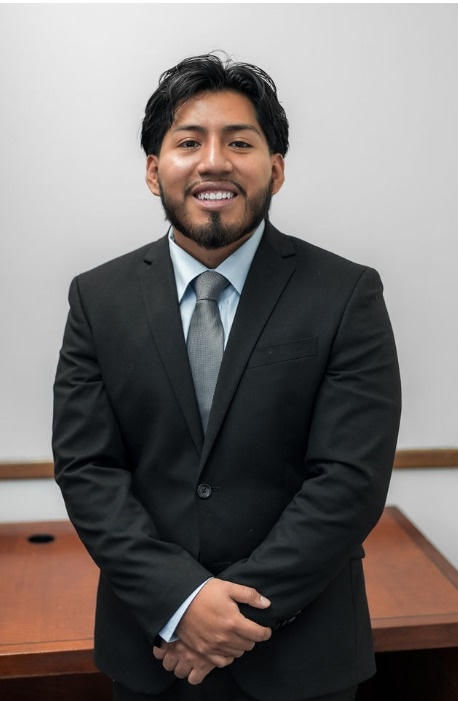
Edwin Zhanay
Immigration Attorney
Edwin Zhany
Frequently Asked Questions
No. VAWA petitions are confidential self-petitions: they are filed with Form I-360 without the abuser’s signature or consent, and the law protects your information so it’s not used against you or shared with them.
Yes. Although police reports can help, the law allows using any credible evidence: your own statements, letters from family or friends, medical reports, psychological evaluations, protection orders, shelter records, among others. At Zhanay Law, we help you organize that evidence so your case is as well-documented as possible.
No. Although the name is “Violence Against Women Act,” VAWA protects both women and men who are victims of domestic violence or abuse by a qualifying family member who is a citizen or permanent resident. The important thing is to show the qualifying relationship and the abuse, not the victim’s gender.
Filing the I-360 self-petition alone does not always give you immediate permission to work, but it can be the first step toward an EAD (work permit) and, in many cases, toward permanent residence. Depending on your case, the lawyer can help you apply for employment authorization and/or adjustment of status when the law allows and you are eligible.
VAWA cases have strong confidentiality rules: USCIS should not contact the abuser or share details about the self-petition with them. This is designed so you can request immigration help without increasing the risk of retaliation from that person.
In many cases, spouses and children who file a VAWA self-petition can include their unmarried children under 21 as derivative beneficiaries, as long as they meet the definition of “child” under immigration law. Contact us to review if your children can be protected within the same application.