



Email
[email protected]
What a Couple Must Prove to Obtain a K-1 Visa and Get Married in the United States
Table of Contents
The K-1 visa allows the fiancé(e) of a U.S. citizen to travel to the United States for the purpose of getting married and then applying for permanent residence. However, simply being engaged is not enough: the couple must demonstrate several key requirements to USCIS and the appropriate consulate for the visa to be approved.
In this article, you will learn what a couple must prove to obtain a K-1 visa and avoid mistakes that could cause delays or denials.
1. The Petitioner Is a U.S. Citizen
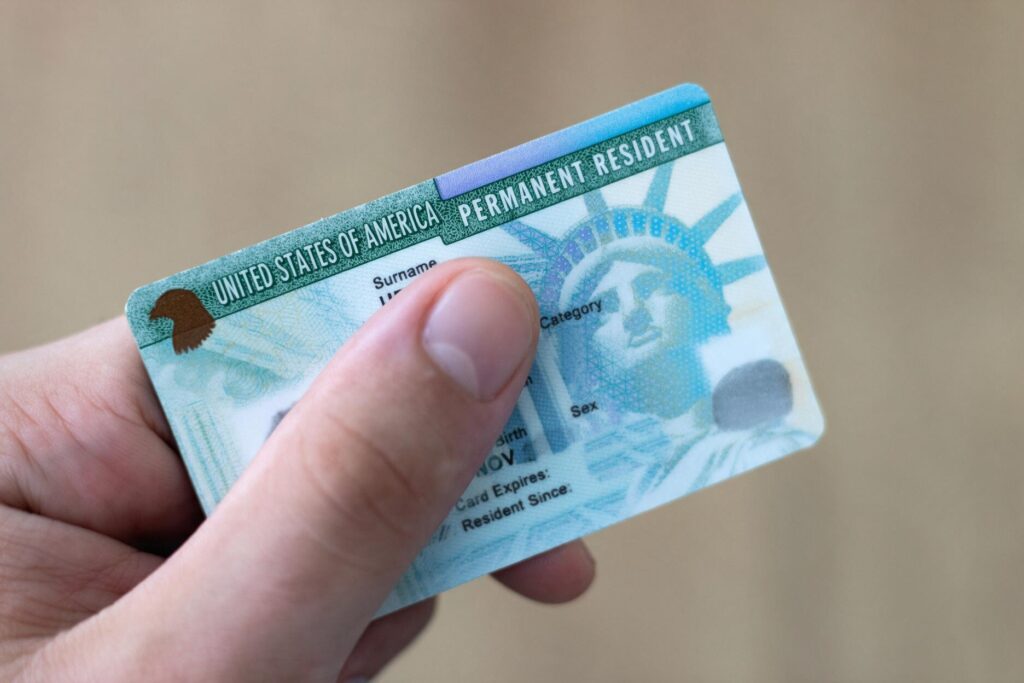
The first requirement is that the person filing the petition, Form I-129F, is a U.S. citizen—not merely a lawful permanent resident. Green Card holders cannot petition for a fiancé(e) through the K-1 process. They generally must get married first and use a marriage-based immigrant visa.
USCIS and the consulate will request proof of citizenship, such as a U.S. birth certificate, naturalization certificate, or valid passport.
Official USCIS page about fiancé(e) visas:
Visas for Fiancé(e)s of U.S. Citizens (USCIS)
2. A Genuine Intention to Marry Within 90 Days
The couple must demonstrate a genuine intention to get married within 90 days after the foreign fiancé(e) enters the United States with a K-1 visa.
Evidence typically includes:
- Letters or signed statements from both individuals explaining their wedding plans.
- Draft invitations, venue reservations, and photographer or reception quotes.
- Conversations in which they discuss the date, location, or details of the wedding.
USCIS wants to ensure that the marriage is not an excuse to obtain an immigration benefit, but rather part of a genuine plan to build a life together.
3. Both Individuals Are Legally Free to Marry
Both individuals must be legally free to marry, meaning that:
- They are currently single; or
- If they were previously married, those marriages ended through divorce, annulment, or the death of the spouse, with documents proving it.
The couple typically submits:
- Divorce decrees.
- Death certificates.
- Annulment orders, if applicable.
If a previous marriage has not been legally terminated, the K-1 visa will be denied, even if the current relationship is genuine.
4. They Met in Person Within the Previous Two Years
As a general rule, the couple must demonstrate that they met in person at least once during the two years before filing Form I-129F. Very limited exceptions may apply for cultural reasons or extreme hardship, but these are exceptional cases.
Typical evidence includes:
- Passport stamps.
- Boarding passes and airline tickets.
- Hotel reservations showing both names.
- Dated photographs of the couple together in different locations.
USCIS generally does not accept video calls or online communication alone as fulfilling this requirement.
5. The Relationship Is Genuine and Entered Into in Good Faith
One of the most important points is demonstrating that the relationship is real and entered into in good faith, rather than created solely to obtain a visa. To do this, the couple must submit evidence showing a consistent relationship history.
Examples of evidence of a genuine relationship include:
- Photographs together over time, including trips, family gatherings, and special events.
- Communication history, including chats, emails, social media messages, and call logs.
- Receipts for trips taken to visit each other.
- Money transfers or gifts, when they are a natural part of the relationship and not the only evidence.
- Letters from family members and friends who know about the relationship, signed with their contact information.
The more varied and consistent the evidence submitted by the couple, the easier it will be to demonstrate that they have a genuine relationship.
6. They Meet the Minimum Financial Requirements
The U.S. citizen must demonstrate that they have sufficient income to support the foreign fiancé(e) at least at the level required under the federal poverty guidelines, generally 100% for a K-1 visa.
This is typically demonstrated through:
- The most recent tax returns.
- W-2 forms or equivalent documents.
- Pay stubs.
- A letter from the employer stating the salary and length of employment.
In some cases, assets such as savings or property, or a joint sponsor, may be considered depending on the legal strategy.
7. There Are No Serious Immigration or Criminal Obstacles
Although the K-1 visa focuses on the relationship, the immigration and criminal history of both individuals is also evaluated, especially that of the foreign fiancé(e).
Issues that may be reviewed include:
- Serious criminal convictions.
- A history of denied or revoked visas.
- Unauthorized entries or previous immigration violations.
In some cases, certain issues may require waivers or may make the visa unavailable. For this reason, it is essential to review the immigration history before beginning the process with USCIS.
8. Key Documents to Prove All of the Above
Although every case is different, in practice most couples must gather a basic set of documents to support the information they provide:
- Complete and signed Forms I-129F.
- Copies of both passports.
- Birth certificates.
- Proof of the petitioner’s U.S. citizenship.
- Evidence of in-person meetings, including photographs, tickets, and passport stamps.
- Evidence of a genuine relationship, including messages, photographs, and support letters.
- Proof that both individuals are legally free to marry, including divorce decrees and death certificates.
- Evidence of sufficient income.
Submitting a clear, organized, and consistent package increases the likelihood of a favorable decision and reduces additional Requests for Evidence.
Summary: What Must the Couple Prove in One Sentence?
In simple terms, to obtain a K-1 visa, the couple must demonstrate that:
The petitioner is a U.S. citizen, both individuals are legally free to marry, they have met in person recently, they have a genuine relationship and serious plans to marry within 90 days, and the petitioner is financially able to support the fiancé.
Featured Articles
Evaluate your case with an immigration attorney.
At Zhanay Law, we analyze your situation and provide legal guidance to move forward with confidence.
Contact